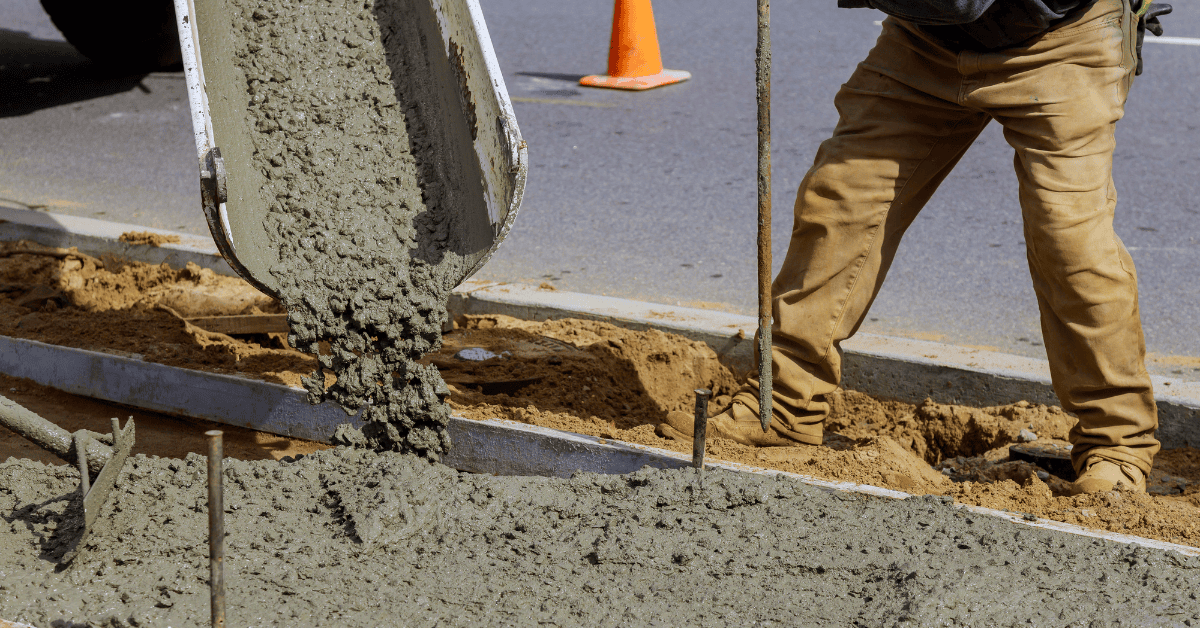
If you’re planning a new driveway, patio, sidewalk, or concrete slab, you may be wondering about the best time to pour concrete in Middle Tennessee. The good news? TNT Services pours concrete year-round. However, some weather conditions make the process easier and provide better conditions for fresh concrete as it cures.
Spring and fall typically offer the best weather for pouring concrete in Middle Tennessee. Moderate temperatures make it easier to place, finish, and cure concrete without the challenges of extreme summer heat or freezing winter temperatures.
With fall approaching, now is a great time to start planning those projects! Here’s why.
Best Seasons for Pouring Concrete in Middle Tennessee
Every season presents different conditions for concrete work. Here’s a quick look at what property owners can expect throughout the year:
| Season | Typical Conditions | What It Means for Concrete |
| Spring | Mild temperatures with periods of rain | Often favorable for concrete, although rain and wet ground can affect scheduling and site preparation |
| Summer | Hot temperatures, strong sun, and higher moisture loss | Concrete can be poured successfully, but crews may need to account for faster setting and moisture loss |
| Fall | Moderate daytime temperatures with cooler nights | Often one of the best times for concrete projects in Middle Tennessee |
| Winter | Colder days and the possibility of freezing temperatures | Concrete work is possible, but cold slows strength development and may require added protection |
The calendar alone doesn’t determine whether it’s a good day to pour concrete. At TNT Services, we also consider the forecast, ground conditions, humidity, wind, rain, and expected temperatures after the pour to ensure the best results.
Why Weather Matters When Pouring Concrete
Concrete does not simply dry after it is poured. It gains strength through a chemical reaction between cement and water. Temperature, wind, humidity, and moisture conditions impact how that process takes place.
High temperatures, low humidity, and high winds can increase moisture loss and make concrete harden more quickly. Cold conditions create different concerns because concrete takes longer to strengthen in low temperatures.
That doesn’t mean we can’t pour concrete during hot or cold weather. As an experienced contractor that’s familiar with Middle Tennessee’s weather, we adjust how we schedule, place, finish, and protect concrete based on current conditions.
Still, mild weather provides a more forgiving window for concrete work, making the job easier.
Is Fall a Good Time to Pour Concrete in Middle Tennessee?
Yes. Fall is often an excellent time for concrete projects in Middle Tennessee.
One reason is the change in temperature. Nashville climate records from the National Weather Service show a normal high of about 84°F in September, dropping to about 74°F in October and 61°F in November. Normal nighttime lows also fall from about 62°F in September to 50°F in October and 39°F in November.
Those milder temperatures reduce some of the challenges associated with pouring concrete during the hottest part of a Tennessee summer.
Early and mid-fall are especially attractive times to tackle projects such as:
- Concrete driveway installation or replacement
- Sidewalk replacement
- Concrete patios
- Concrete slabs
- Commercial concrete work
- ADA-related concrete projects
Fall also gives homeowners and businesses a chance to complete outdoor concrete projects before colder winter weather becomes a larger factor.
What About Pouring Concrete in the Summer?
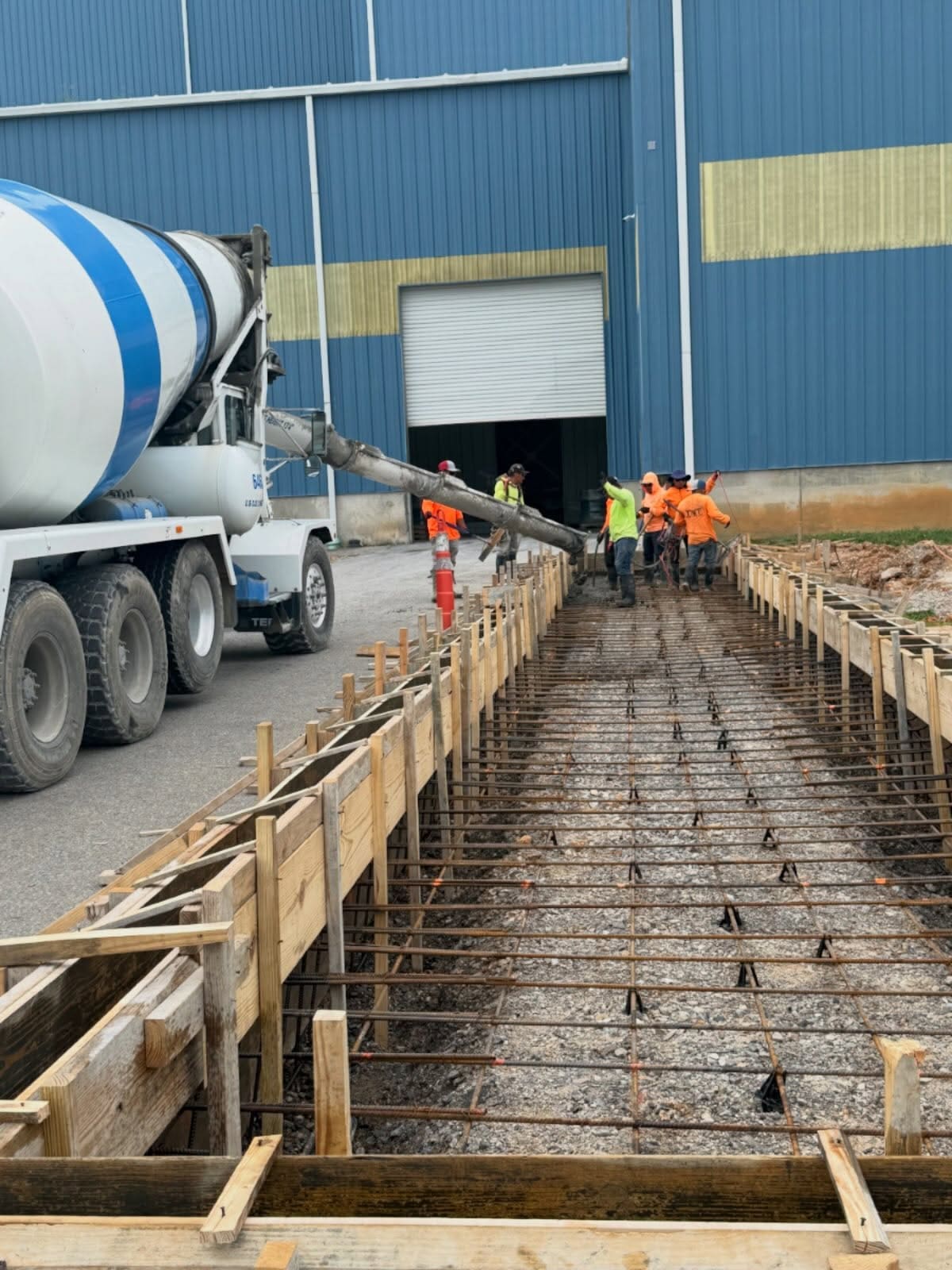
Summer is a busy season for outdoor construction, and we certainly pour plenty of concrete during hot weather. Contractors simply need to account for the conditions.
Hot weather speeds up moisture loss from fresh concrete. It can also cause concrete to stiffen more quickly, giving crews less time for placement and finishing. Hot, dry, or windy conditions increase the risk of problems if the concrete isn’t handled and cured correctly.
Professional concrete contractors adjust their approach based on the forecast and job conditions. For example, crews may schedule work earlier in the day or use appropriate curing practices to help manage moisture loss.
So, if you need a concrete project completed during summer, don’t assume you have to wait until fall. When you choose the right Middle Tennessee concrete contractor, the specific weather conditions and the contractor’s approach matter more than the date on the calendar.
Can You Pour Concrete During the Winter?
Concrete work doesn’t automatically stop when winter arrives in Middle Tennessee. However, cold weather requires more planning.
As temperatures drop, concrete sets more slowly. Additionally, freshly poured concrete should not be allowed to freeze for anywhere from 24 hours to 20 days, depending on how it will be used. Preventing freezing ensures a strong, durable finished product.
Contractors must pay close attention to the air temperature, ground conditions, concrete temperature, and weather forecast. Depending on the project and conditions, they may need to take extra steps to protect fresh concrete from the cold.
For property owners, this is another reason to consider scheduling a concrete project during fall rather than waiting until the coldest part of the year.
Is Spring a Good Time for Concrete Work?
Spring is another popular time for concrete installation in Middle Tennessee.
With mild temperatures providing favorable working conditions, spring is a good option for driveways, patios, sidewalks, slabs, and other outdoor concrete projects.
Rain can be a concern, though. Storms and wet ground can affect excavation, site preparation, scheduling, and placement. A contractor may need to adjust the schedule when the forecast calls for poor conditions.
That means spring can offer great concrete weather, but every project still depends on the daily forecast and site conditions.
What Is the Best Temperature for Pouring Concrete?
There isn’t a single temperature that guarantees a successful concrete project.
Contractors consider several factors at once, including:
- Daytime air temperature
- Concrete temperature
- Ground temperature
- Humidity
- Wind
- Direct sunlight
- Rain
- Overnight temperatures
- Conditions expected during the curing period
This is why choosing a date based only on the afternoon high can be misleading.
A pleasant 70°F afternoon, for example, doesn’t tell the whole story if heavy rain is expected or temperatures will drop sharply overnight. A professional concrete contractor considers the conditions before, during, and after the pour.
Don’t Forget About Ground Conditions
Weather isn’t the only factor that matters.
Good concrete starts with proper site preparation. Contractors may need to remove existing concrete, excavate the area, prepare and compact the base, address drainage concerns, and set forms before new concrete is placed.
Recent rain can leave a site wet or muddy. Poor drainage can also create problems beneath concrete over time.
Waiting for suitable site conditions is just as important as waiting for a comfortable outdoor temperature.
So, When Is the Best Time to Pour Concrete in Middle Tennessee?
Spring and fall often provide the most favorable conditions for pouring concrete in Middle Tennessee. Fall is particularly appealing because temperatures begin to moderate after the summer heat but have not yet reached the colder conditions of winter.
But that doesn’t mean you have to limit concrete projects to a few months of the year.
A skilled concrete contractor, like TNT Services, works through a wide range of conditions by choosing the right time to pour and taking the proper steps for the weather. The best time for your project depends on the type of concrete work, site conditions, current weather, and forecast.
Frequently Asked Questions
What is the best month to pour concrete in Tennessee?
There isn’t one best month for every concrete project. Spring and fall offer mild temperatures that are well suited to concrete work. The actual weather forecast, ground conditions, and type of project matter more than choosing a specific month.
Is October a good time to pour concrete in Tennessee?
October can offer favorable conditions for concrete work in Middle Tennessee. Nashville’s normal October temperatures are milder than the summer months, with a normal high around 74°F. Contractors still need to watch overnight temperatures, rain, and site conditions when scheduling a pour.
Can concrete be poured when it’s hot outside?
Yes. Concrete can be poured during hot weather, but contractors need to account for faster moisture loss and setting. Scheduling, placement, finishing, and curing practices may need to change based on the conditions.
Can you pour concrete in cold weather?
Yes, but cold-weather concrete work requires added care. Low temperatures slow strength development, and fresh concrete may need protection when freezing temperatures are possible.
Should I schedule my concrete project before winter?
If you’re already planning a concrete project, fall can be a convenient time to complete it before colder winter conditions arrive. However, the right schedule depends on the project, site, weather forecast, and contractor availability.
Schedule Concrete Service in Middle Tennessee
TNT Services provides residential and commercial concrete services in Dickson County and surrounding areas of Middle Tennessee. From concrete driveways and patios to sidewalks, slabs, commercial concrete, and ADA-related work, TNT Services can help you determine the right approach for your property.
With fall quickly approaching, now may be a good time to get that concrete project you’ve been putting off on the schedule. Contact TNT Services today to discuss your concrete needs and request an estimate.
