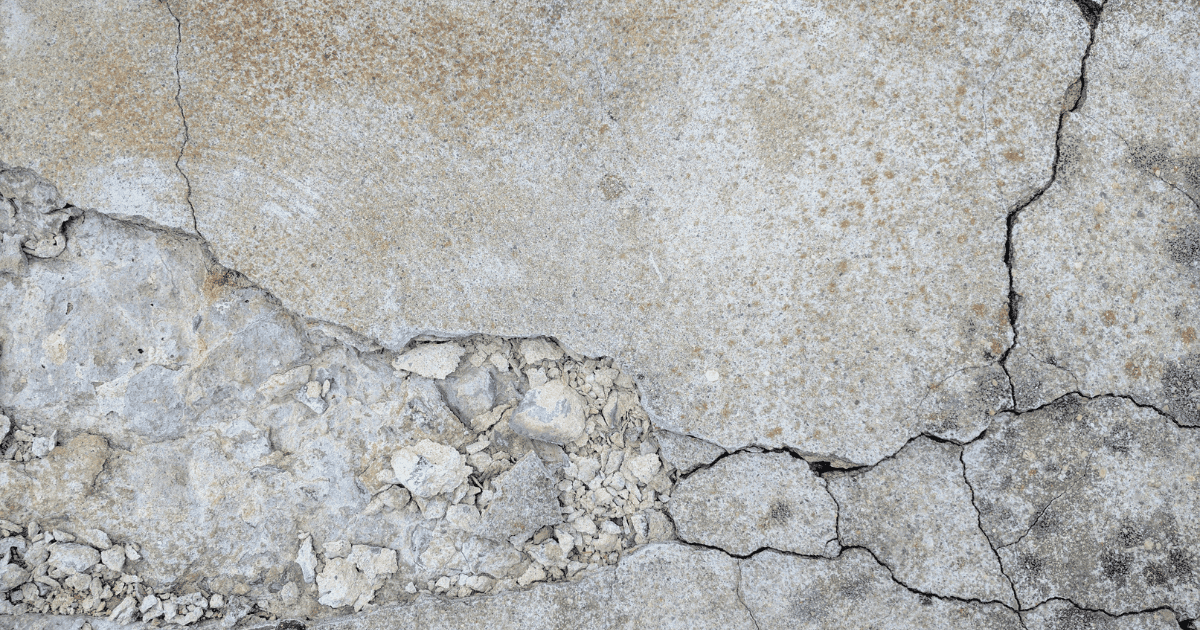
If you’ve noticed cracks in your driveway, patio, sidewalk, or concrete slab, you’re probably wondering if something went wrong. The good news is that small cracks are common. In fact, nearly all concrete cracks over time.
Concrete is one of the strongest and most durable building materials available. Even so, it expands, contracts, and settles as it ages. The goal isn’t to create concrete that never cracks. At TNT Services, our goal is to install it the right way so cracks stay small, controlled, and less likely to cause problems.
Here’s what causes concrete to crack, how to reduce the risk, and when it’s time to call a professional.
Is It Normal for Concrete to Crack?
Yes. Concrete naturally shrinks as it cures. It also reacts to changes in temperature and moisture throughout the year, which can cause cracks.
A few small, hairline cracks usually don’t affect the strength or life of the concrete. They are often cosmetic and pose no threat.
Larger cracks, uneven surfaces, or cracks that continue to grow, however, point to a bigger issue that needs attention.
7 Common Reasons Concrete Cracks
1. Natural Shrinkage
Concrete contains water when it’s poured. As that water evaporates during curing, the concrete shrinks slightly. This natural process can create small cracks.
Professional contractors plan for this by placing control joints where cracks are most likely to form.
2. Poor Ground Preparation
A concrete slab is only as strong as the ground beneath it.
If the soil isn’t compacted properly before the concrete is poured, it can settle over time. When that happens, the concrete may crack or become uneven.
That’s why proper site preparation is one of the most important parts of any concrete project.
3. Temperature Changes
Concrete expands when it gets hot and contracts when it cools.
Over time, these repeated movements place stress on the slab. Without enough room to move, cracks can develop. Control joints minimize this issue.
4. Freeze-Thaw Cycles
Winter weather can be tough on concrete.
When temperatures drop below freezing, water that has seeped into small openings expands. As the cycle repeats, cracks can become larger.
While Tennessee winters are milder than those in northern states, freezing temperatures still happen. That’s why proper installation and drainage matter.
5. Too Much Water in the Mix
Adding extra water may make concrete easier to work with, but it also weakens the finished product. And a weaker slab is more likely to crack as it cures and ages.
Using the right concrete mix helps create a stronger, longer-lasting surface.
6. Heavy Loads
Concrete is designed to support weight, but every slab has its limits.
Parking heavy equipment on a residential driveway or placing loads the slab wasn’t designed to carry can lead to cracking.
Choosing the right thickness for the job helps prevent this problem.
7. Poor Drainage
Water is one of concrete’s biggest enemies.
If water collects under or around a slab, it can wash away soil and create empty spaces. As the concrete loses support, it may crack or settle.
Good grading and drainage help protect your investment for years to come.
How to Reduce Concrete Cracking
No contractor can promise crack-free concrete forever. What they can do is follow proven installation practices that reduce the chance of major cracking.
These steps make a big difference:
- Prepare and compact the base correctly.
- Use the right concrete mix for the project.
- Install control joints in the proper locations.
- Reinforce the concrete when needed.
- Allow the concrete to cure properly.
- Create good drainage around the slab.
- Avoid placing heavy loads on new concrete before it’s fully cured.
When installed properly, your concrete has a much better chance of lasting for decades.
When Should You Be Concerned About Concrete Cracks?
Not every crack needs to be repaired. Hairline cracks are often harmless and usually don’t affect the strength of the concrete. However, larger cracks warrant further a closer look.
You should have your concrete evaluated if you notice:
- Cracks that continue to widen.
- Large gaps between sections of concrete.
- Uneven or sunken slabs.
- Standing water after it rains.
- Trip hazards on sidewalks or walkways.
- Multiple cracks spreading across the surface.
These signs may point to problems below the surface that should be addressed before they get worse.
Trust the Installation Process
Pouring concrete is just one part of a much larger process that typically spans multiple days. Proper planning, site preparation, grading, drainage, concrete placement, finishing, and curing all work together to create a durable surface.
Whether you’re installing a new driveway, patio, sidewalk, or slab, choosing an experienced contractor and trusting the entire installation process helps prevent future problems and extend the life of your concrete.
Need a Concrete Contractor in Middle Tennessee?
At TNT Services, we build driveways, patios, sidewalks, and concrete slabs designed to stand up to Tennessee’s changing weather and everyday use. We focus on proper preparation, quality workmanship, and attention to detail from start to finish.
If you’re planning a new concrete project or you’re concerned about cracks in your existing concrete, contact TNT Services for a free quote. We’ll help you determine the best solution for your property.
Frequently Asked Questions
Can cracked concrete be repaired?
It depends on the type and severity of the crack. Small, cosmetic cracks can often be sealed or repaired. Large cracks, uneven slabs, or concrete that continues to shift may need to be replaced. A professional inspection can help determine the best solution.
How long does concrete last?
Concrete can last 30 years or more when it’s installed correctly and maintained over time. Factors such as soil conditions, drainage, weather, and how the concrete is used all affect its lifespan.
What are control joints, and why are they important?
Control joints are planned cuts made in concrete after it’s poured. They create a weakened area where concrete can crack as it naturally shrinks. This helps keep cracks in straight, predictable lines instead of spreading randomly across the surface.
How can I help prevent concrete from cracking?
While no concrete is completely crack-proof, you can reduce the risk by hiring an experienced contractor who prepares the site properly, uses the right concrete mix, installs control joints, and allows the concrete to cure correctly. Good drainage and avoiding heavy loads before the concrete has fully cured also help protect your investment.
