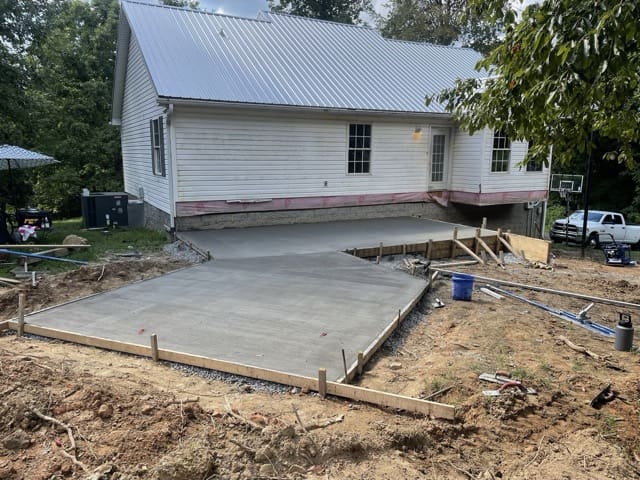
When you see a finished concrete driveway, patio, or sidewalk, the smooth surface and clean edges are probably what you notice first. But some of the most important work actually happens before the concrete is ever poured.
Proper ground preparation creates a stable base that helps concrete last for years. Without it, even a well-poured concrete surface can develop cracks, settle unevenly, or suffer drainage problems.
At TNT Services, we’re here to help homeowners and businesses in Dickson, TN, and throughout Middle Tennessee understand the importance of ground preparation. Keep reading to learn how this vital step helps prevent costly repairs and protects your investment.
What Is Ground Preparation for Concrete?
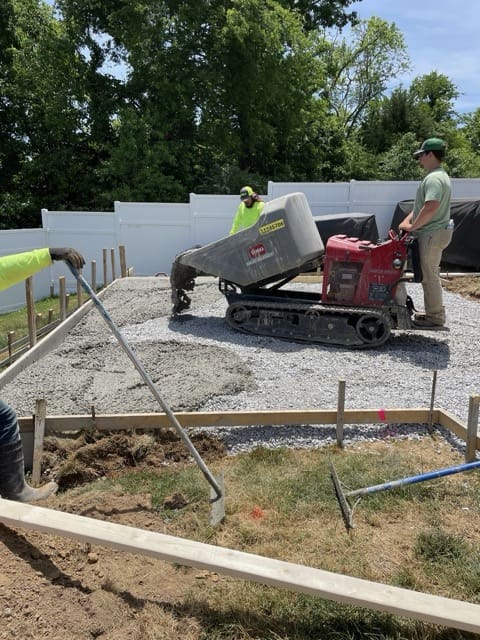
Ground preparation is the process of getting a site ready before pouring concrete. It involves preparing the soil, creating a stable base, and making sure water can drain away from the finished surface.
The exact steps depend on the project, but most concrete site preparation involves:
- Clearing the area: Removing grass, roots, debris, and other materials that could affect stability.
- Excavating: Removing soil to reach the proper depth for the concrete and its base.
- Grading: Shaping the ground to create the correct slope and support drainage.
- Compacting the soil: Pressing loose soil together to reduce future settling.
- Preparing the base: Adding and compacting gravel or crushed stone when the project requires it.
Each step helps create a solid foundation for the concrete above it, ensuring a durable finished product.
5 Reasons Proper Ground Preparation Matters
1. It Helps Prevent Concrete Cracks
Concrete can crack for several reasons, including shrinkage, temperature changes, and movement beneath the surface. Some of these factors are, unfortunately, unavoidable.
However, one preventable cause of cracks is poorly prepared soil.
When the ground beneath a concrete slab settles unevenly, the concrete may lose support in certain areas. This creates stress that can lead to cracks.
Proper soil compaction and base preparation reduces that risk by creating more uniform support.
While no contractor can guarantee crack-free concrete, careful preparation goes a long way to help prevent problems caused by unstable ground.
2. It Reduces Uneven Settling
Have you ever noticed a sidewalk with one section sitting higher than another? Or a driveway that has developed a noticeable dip?
Uneven settling can occur when the soil beneath concrete shifts or compresses over time.
This can cause:
- Uneven sidewalks that create trip hazards
- Low spots in driveways
- Cracks between concrete sections
- Gaps where concrete meets buildings or other structures
- Water pooling in low areas
Proper compaction reduces soil movement after installation. For projects with weak or unstable soil, additional excavation or base improvements may be necessary.
3. It Supports Better Drainage
Water is one of the biggest concerns when preparing a site for concrete.
If the ground isn’t graded correctly, rainwater can collect on the surface or flow toward nearby buildings. Over time, that poor drainage can contribute to soil erosion, settling, and damage around concrete surfaces.
This is especially relevant in Middle Tennessee, where heavy rain can create drainage challenges for residential and commercial properties.
Before pouring concrete, consider where water will flow once the project is complete.
Proper grading directs water away from buildings and prevents standing water on driveways, sidewalks, and patios.
4. It Helps Concrete Handle Everyday Loads
Different concrete projects must support different amounts of weight.
A backyard patio primarily supports people and outdoor furniture, while a driveway must handle vehicles. Commercial concrete may need to support delivery trucks, equipment, or frequent traffic.
The ground beneath each surface must provide adequate support for its intended use.
Middle Tennessee concrete contractors like TNT Services consider soil conditions, expected loads, and the necessary thickness of the concrete when planning a project.
A properly prepared base helps distribute weight and reduces the risk of movement or damage caused by inadequate support.
5. It Can Help Reduce Future Repair Costs
Skipping steps during ground preparation might seem like a way to save time or money, but problems beneath concrete are often much more expensive to correct later.
If a slab settles or develops significant cracks because of poor soil support, surface repairs may not solve the underlying issue. Instead, contractors may need to remove and replace damaged sections.
That’s a lot more expensive than properly prepping the ground in the first place.
Investing in proper preparation from the beginning can help reduce the likelihood of these problems and extend the useful life of your concrete.
Why Soil Conditions Matter in Middle Tennessee
Not every property has the same soil type.
Some sites contain dense clay, while others have loose fill, rocky areas, or soil that holds excess moisture. These differences affect how contractors prepare the ground.
Clay-rich soils, which are common here in Middle Tennessee, change volume as moisture levels rise and fall. This movement can affect concrete if contractors don’t account for site conditions.
Properties with steep slopes, poor drainage, or previously disturbed soil may also need additional preparation.
For concrete projects in Dickson County and throughout Middle Tennessee, we evaluate the actual conditions of the site rather than assuming the same preparation method will work everywhere.
A careful site assessment helps determine whether excavation, additional compaction, drainage improvements, or other measures are needed.
Does Ground Preparation Differ by Concrete Project?
Yes. While the basic principles remain the same, preparation requirements vary depending on how the concrete will be used.
| Concrete Project | Important Ground Preparation Considerations |
| Concrete Driveways | Soil compaction, vehicle loads, base stability, and drainage |
| Concrete Patios | Level and stable support, proper slope, and water drainage |
| Concrete Sidewalks | Consistent support, safe transitions, and drainage |
| Concrete Slabs | Soil stability, base preparation, and intended structural loads |
| Commercial Concrete | Heavier traffic, equipment loads, soil conditions, and project specifications |
For example, a commercial concrete parking area requires more extensive site preparation than a small residential patio.
The right approach depends on the project design, soil conditions, and intended use.
What Should You Ask TNT Services Before Installation?
You don’t need to understand every technical detail of concrete construction to make an informed decision.
However, asking a few questions before work begins can help you understand how your contractor plans to prepare the site.
Consider asking:
- How will you evaluate the existing soil?
- Will the project require excavation or additional base material?
- How will you compact the ground before pouring?
- What steps will you take to address drainage?
- Does the site need any special preparation because of its slope or soil conditions?
We will explain the preparation process and how it relates to your specific project.
Frequently Asked Questions About Ground Preparation for Concrete
Can you pour concrete directly on dirt?
Concrete can be poured over properly prepared soil in some applications, but pouring directly onto loose or unstable dirt can lead to settling and cracking. The soil must provide adequate support, and some projects require a compacted aggregate base.
Do you always need gravel under concrete?
Not always. Gravel or crushed stone can improve base stability and help manage moisture, but the need for it depends on soil conditions, project requirements, and the concrete’s intended use.
How deep should you dig before pouring concrete?
Excavation depth depends on the concrete thickness, base material, soil conditions, and project design. A driveway, patio, and structural slab each requires different excavation depths.
What happens if the ground isn’t compacted properly?
Poorly compacted soil can settle after installation. This may cause concrete to crack, sink, become uneven, or develop drainage problems.
Can poor drainage damage a concrete driveway?
Yes. Poor drainage can allow water to collect around or beneath a driveway, contributing to erosion and soil movement. Proper grading and site preparation help reduce these risks.
Build Your Concrete Project on a Strong Foundation
A long-lasting concrete surface starts with the ground beneath it.
Proper excavation, grading, soil compaction, and base preparation reduce settling, support drainage, and give concrete the stability it needs for long-term performance.
Whether you’re planning a new driveway, patio, sidewalk, slab, or commercial concrete project, taking the time to prepare the site correctly protects your investment.
TNT Services provides concrete and excavation services in Dickson, TN, and throughout Middle Tennessee. Our team handles residential and commercial projects, helping property owners move from site preparation to finished concrete.
If you’re planning a concrete project, contact TNT Services to discuss your needs and request an estimate.
